Buying your first home in Southampton can feel exciting and a little overwhelming. You want a solid place to start building equity without getting stuck with hidden costs or a commute that drains your week. With a clear plan, you can find the right starter home and move confidently from online search to closing.
In this guide, you’ll learn what “starter home” means locally, realistic price bands, common home styles and ages, what to budget for maintenance, and a simple checklist to use before and during tours. You will also see commute notes, school district context, and smart questions to ask your agent so you avoid surprises. Let’s dive in.
What counts as a starter home here
A starter home in Southampton usually means an entry-level place that lets you get into homeownership without taking on a large renovation. You are often looking at 1 to 3 bedrooms and roughly 700 to 1,600 square feet. On the smaller end, condos and townhomes dominate. On the larger end, you will see older single-family ranches and split-levels.
Local market snapshots show a range for medians because providers measure different things at different times. Recent sold data points to a median sale price near $521,000, while some listing-based sources have shown medians closer to the $600,000 to $625,000 range. That spread reflects listing versus sold medians and fast-moving conditions. Use current zip-level data with your agent when you are ready to write offers.
For entry points, you will often see two-bedroom condos in planned communities starting in the mid $300,000s. Small single-family ranches or split-levels from the 1950s and 1960s often trade between about $350,000 and $550,000 depending on condition and updates. Nearby towns can change the math. Some Central Bucks areas like Newtown have higher medians, while Warminster is often similar or a bit lower depending on the exact neighborhood.
Neighborhoods and home styles
Common styles you will see
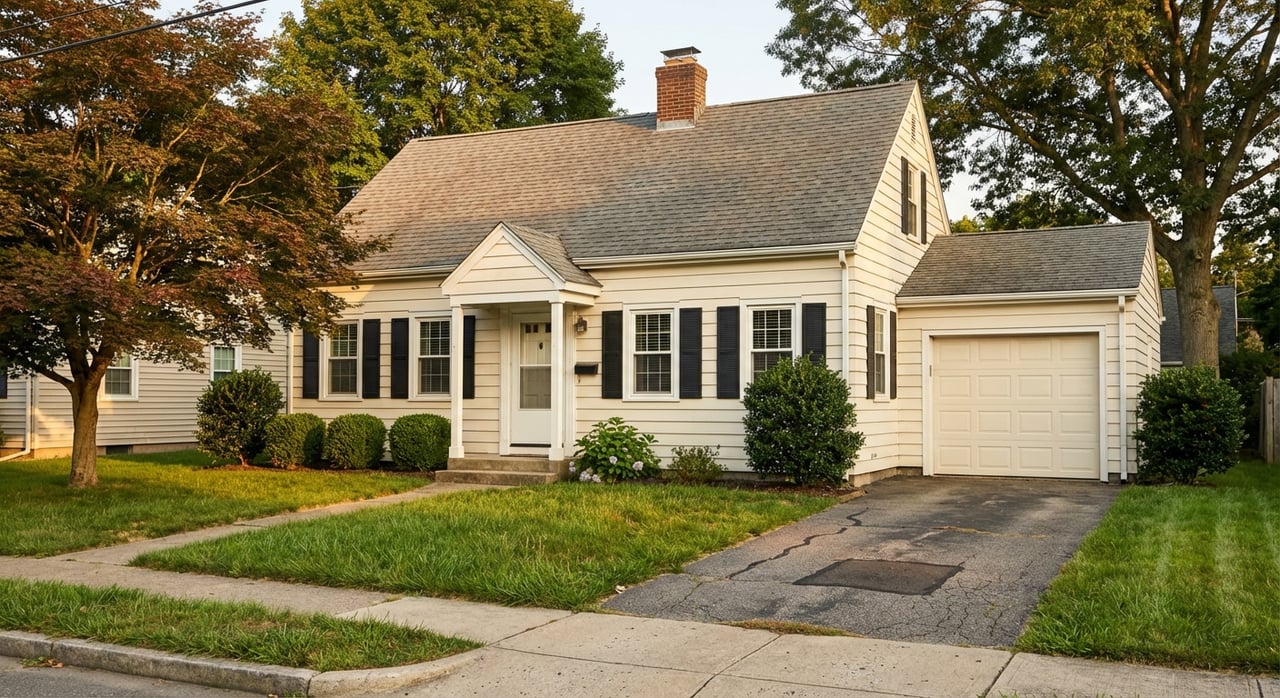
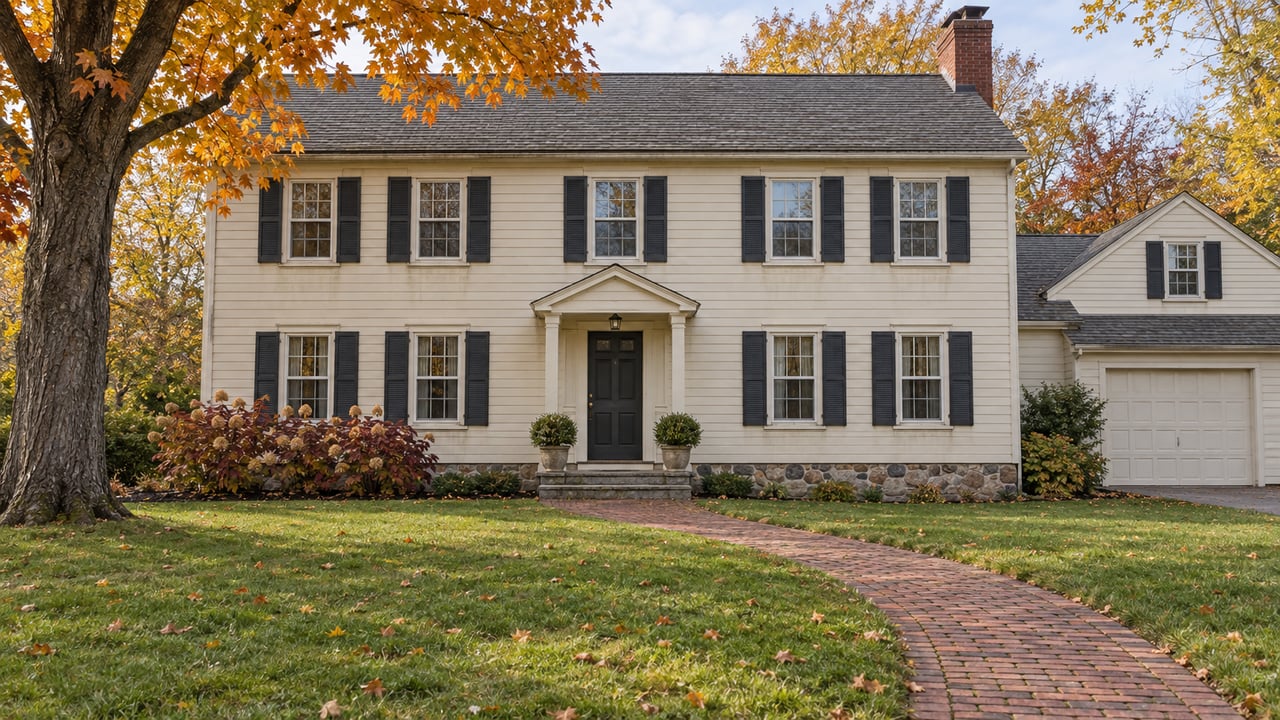
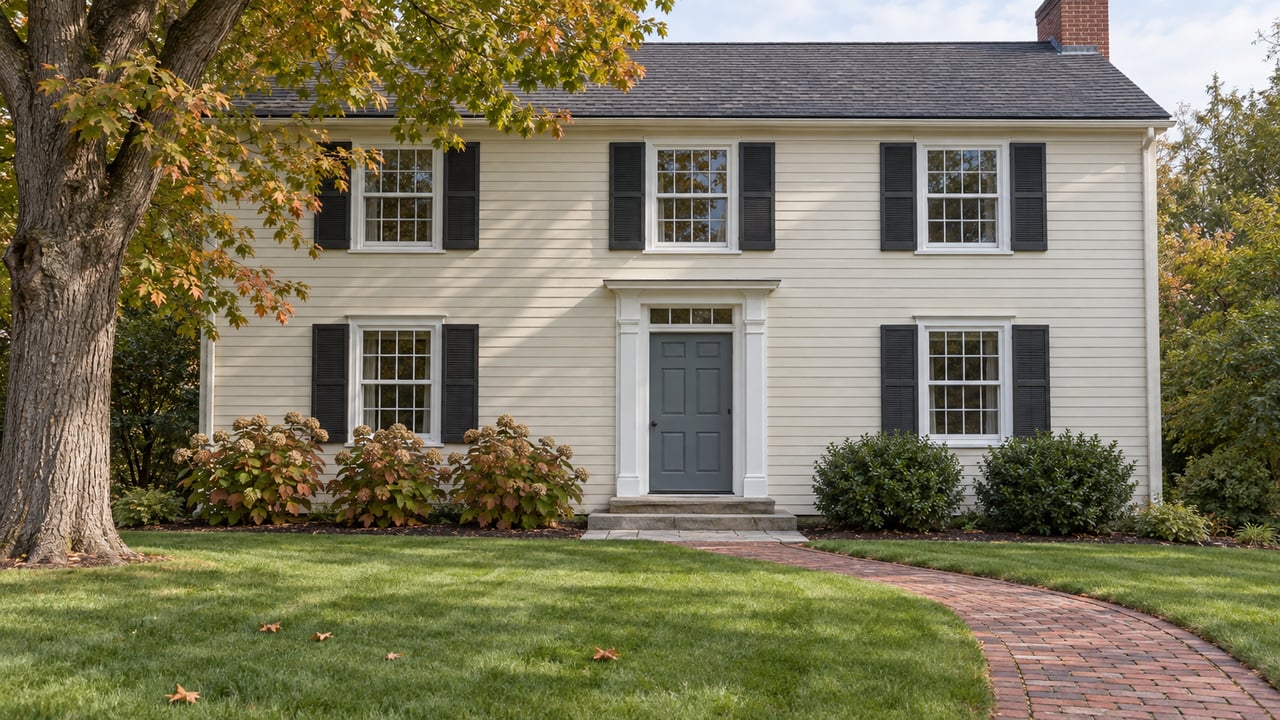
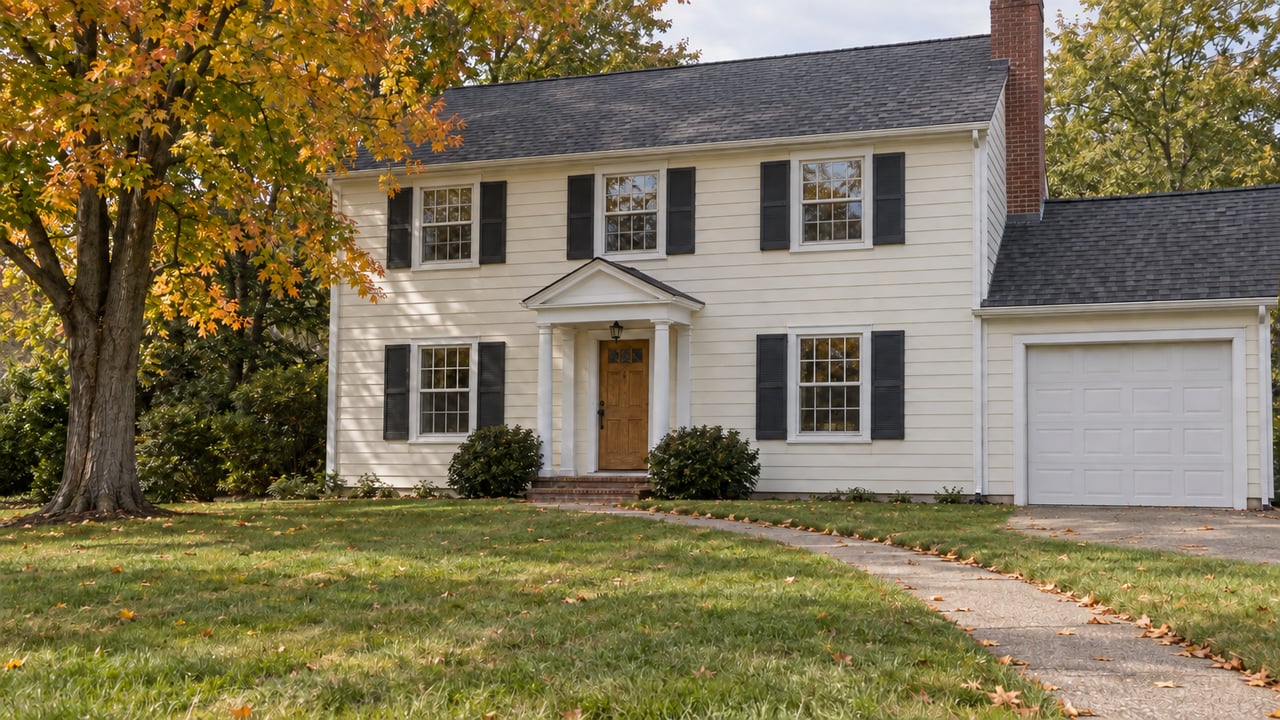
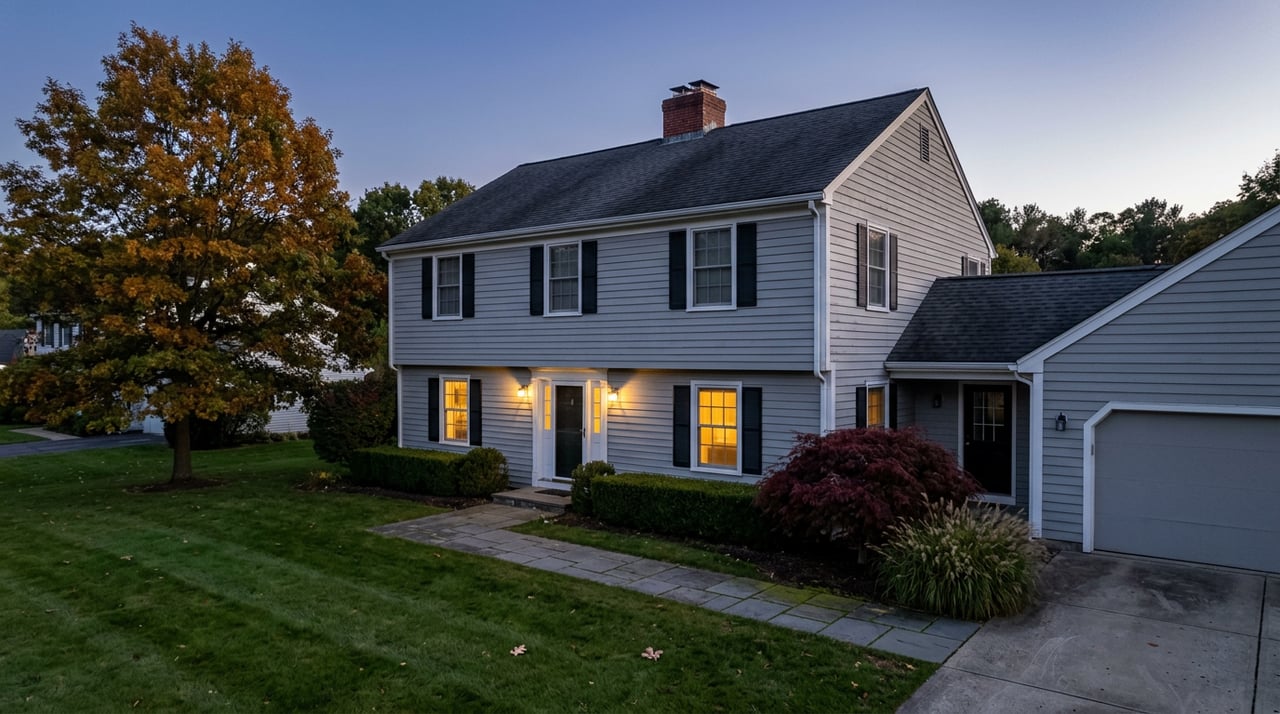
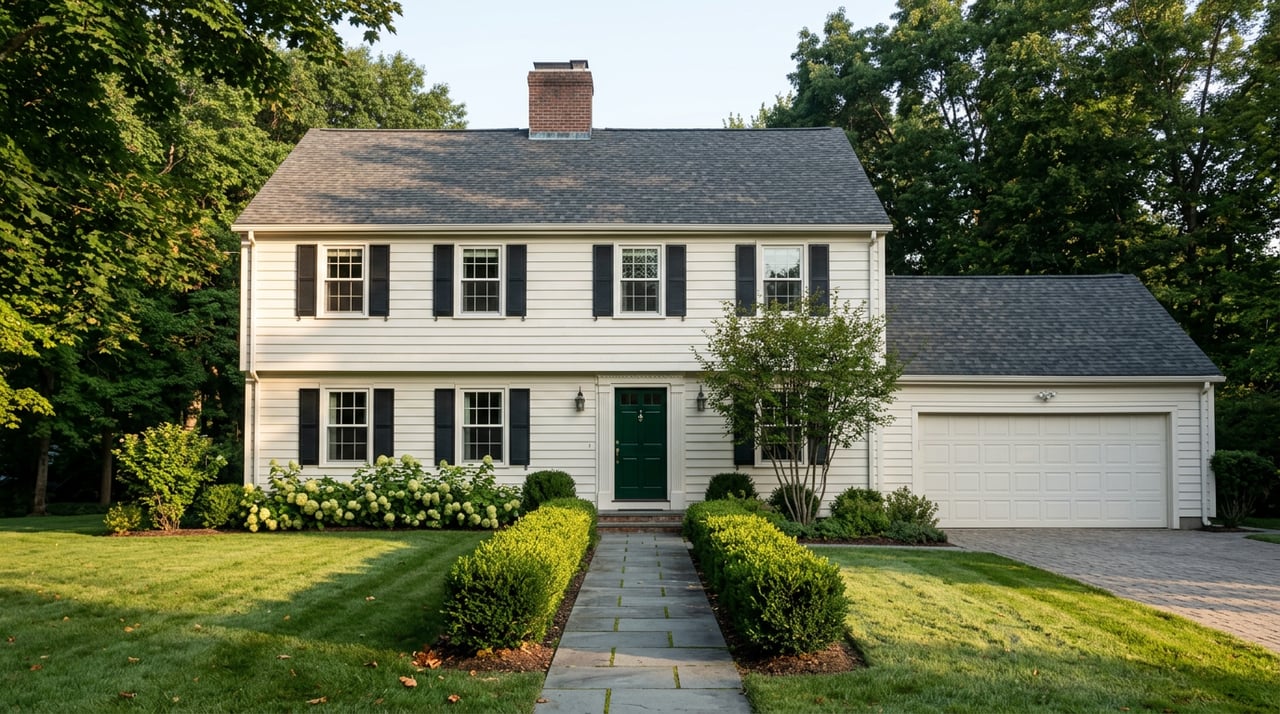
Upper Southampton Township grew during the postwar suburban boom, so you will find many mid-century ranches and split-levels, along with Cape Cod and modest colonial forms. There are also townhouse and condo communities and some newer infill homes. Most roofs are pitched asphalt shingles. You will rarely see flat roofs here.
Subdivisions and HOA communities
Upper Southampton includes a variety of named neighborhoods and HOA communities, each with its own home types and fee structures. Examples include areas like Burgundy Hills, Huntingdon Brook, and Hampton Farms. If you are comparing condos or townhomes, focus on monthly fees, what they cover, and any planned assessments. Fees can change your buying power more than you expect.
Commute and everyday convenience
Driving and transit access
Southampton sits about 18 miles north of Center City Philadelphia in straight-line terms. Drive times typically run about 30 to 45 minutes off-peak to Center City and longer in rush hour. The nearest Regional Rail stop is the Warminster station on the Warminster Line, which connects to Center City. Local SEPTA bus routes also serve the area. For exact times, check current schedules. You can confirm these basics on the Southampton overview page, which also summarizes location and school district context. See the Southampton overview for transit and location context.
Schools and property taxes
Upper Southampton is primarily served by the Centennial School District, while parts of nearby Northampton Township feed into Council Rock. School district boundaries can affect both buyer demand and property taxes. Recent reporting shows some districts in Bucks County carry higher average school tax bills, so it is smart to review the current tax bill for any address you are considering. You can skim a summary of school tax differences by district in local coverage here: Bucks County school tax differences overview.
Maintenance realities for mid-century homes
Older homes can be great values, but systems wear on a timeline. Plan a short-term fix-up fund and an annual maintenance reserve so you stay in control.
Typical lifespans and cost ranges
- Roofs: Asphalt shingle roofs often last 15 to 30 years, and replacements for a typical single-family roof commonly range from about $6,000 to $14,000 depending on size, pitch, and materials. Review roof lifespan and cost basics.
- HVAC: Many furnaces run 15 to 25 years, and some central air units run 10 to 15 years. Older systems are common negotiation points during inspections. Read a quick guide to HVAC life expectancy.
- Water heater: Tank-style units often last 6 to 15 years. Replacements typically cost under a few thousand dollars depending on size and type.
- Windows: Vinyl replacements can last 20 to 40 years. If you see failed seals or drafty single-pane units, replacements can cost hundreds to more than $1,000 per window depending on quality. Explore window replacement cost factors.
Environmental and safety items
- Lead-based paint: Any home built before 1978 may contain lead-based paint. Sellers must provide required disclosures, and the EPA recommends lead-safe practices for any renovations. Get EPA guidance on lead safety at home.
- Radon: Pennsylvania has variable radon levels. Testing is inexpensive and common, and mitigation is proven and effective if levels come back high. See Pennsylvania radon mapping resources.
- Water and sewer: Most Southampton homes connect to public water and sewer, but always check the listing and seller’s disclosure. If a property has a private well or septic, you will want added inspections and water testing.
A simple budgeting rule
A helpful rule of thumb is to set aside about 1 to 3 percent of the purchase price each year for maintenance and small replacements. For example, if you buy a $500,000 home, planning for about $5,000 to $15,000 per year keeps you prepared for routine upkeep or a system replacement. See a clear breakdown of homeownership costs and reserves.
How to evaluate a listing with confidence
Before you tour: quick checks to run
- Confirm the exact address, legal parcel, and the assigned school district. Ask your agent to pull a current comparative market analysis for the last 3 to 6 months.
- Ask if the seller has completed the Pennsylvania Seller’s Property Disclosure and any required lead disclosures for pre-1978 homes. Review a summary of Pennsylvania disclosure rules.
- Request any past testing for radon, lead, mold, well water, or septic. Also ask for permits on additions or finished basements, since permits can affect resale.
- Clarify whether utilities are public or private. If the property has a well or septic system, plan for specialized inspections and water testing.
- Ask about HOA fees, rules, and any planned assessments if you are viewing a condo or townhome.
Red flags in photos or descriptions
- “As-is” wording without complete disclosures. This can be fine, but plan extra due diligence.
- No permit history for a recent addition or finished basement. Ask for copies of permits and final approvals.
On-tour quick-check list
Bring a phone for photos and this short list. Small clues can save you money later.
- Roof: Missing shingles, sagging, or patchy repairs. Ask the age. Here is what inspectors cover on a typical visit.
- Water intrusion: Ceiling or wall stains, musty smells, efflorescence on basement walls, grading that slopes toward the house.
- HVAC and water heater: Look for manufacturer labels and dates. Ask for service records.
- Electrical: Check for GFCI outlets in kitchens and baths. Note older panels, fuses, or unprofessional wiring.
- Windows and insulation: Condensation between panes or noticeable drafts suggest seal or insulation issues.
- Odors and cover-ups: Strong air fresheners or recent heavy cleaning could be masking moisture or pet issues. Ask direct questions.
After you are under contract
- Order a general home inspection and attend if you can. It usually runs 2 to 4 hours and covers roof, foundation, structure, and major systems. Add targeted tests as needed, such as radon, sewer scope, or specialized electrical and HVAC evaluations. See what a standard inspection includes.
Smart negotiation points
- Discuss the inspection timeline with your agent and plan whether to request a repair or a seller credit. The age of major systems like HVAC and roof often drives these talks.
- Review the property’s tax history and confirm the current tax bill. In Bucks County, the school tax portion often makes up the largest share of annual taxes, so use the exact bill for your budget. Read a quick overview of school tax differences.
What this looks like in your budget
Let’s apply the 1 to 3 percent rule so you can plan with less stress.
- If you buy a $375,000 condo, set aside about $3,750 to $11,250 per year for maintenance and small projects. That reserve helps you handle items like a water heater, window replacements, or appliance updates. Remember to include HOA fees in your monthly picture.
- If you buy a $500,000 mid-century ranch, plan for $5,000 to $15,000 per year. Roof age, HVAC age, and basement moisture control are common focus areas in this price band.
This approach keeps you from getting surprised by normal wear and tear, and it helps you focus your offer on homes where the big-ticket items have a clear history.
Ask your agent before touring
Use this short list for smoother tours and stronger offers.
- Exact address, legal parcel ID, and assigned school district.
- Completed Pennsylvania Seller’s Property Disclosure and any lead disclosures for pre-1978 homes.
- Status of utilities: public water and sewer, or well and septic.
- Any radon, lead, mold, well water, or septic tests on file.
- Permit history for additions, finished basements, or major system replacements.
- Current HOA fee, what it includes, and any planned assessments.
- Current property tax bill and any recent reassessment.
- Known roof, HVAC, water heater, or window ages and service records.
Your next step
If you want a calm, step-by-step path to your first home in Southampton, you do not have to figure it out alone. A local, patient guide can help you compare neighborhoods, understand fees and taxes, and spot issues before they become stress points.
If you are ready to start, reach out to Dawn Little for a friendly buyer consultation and a local list of starter-home options that fit your budget and commute.
FAQs
What is a “starter home” in Southampton, PA?
- A starter home is an entry-level property, often 1 to 3 bedrooms and about 700 to 1,600 square feet, priced near or below local medians so you can build equity without heavy renovation costs.
How much should I budget for yearly home maintenance as a first-time buyer?
- A common rule is 1 to 3 percent of the purchase price per year. For a $450,000 home, plan roughly $4,500 to $13,500 annually for routine upkeep and small replacements.
What are typical commute times from Southampton to Center City Philadelphia?
- Off-peak drives often take about 30 to 45 minutes depending on route and traffic. The Warminster Regional Rail line also connects to Center City. Confirm current schedules before you go. See Southampton location basics.
Are mid-century Southampton homes likely to have lead paint or radon issues?
- Any home built before 1978 may contain lead-based paint. Radon levels vary across Pennsylvania, and testing is standard in local purchases. Both issues are manageable with proper testing and mitigation. EPA lead guidance and PA radon resources explain next steps.
What should I check during a starter home tour in Southampton?
- Focus on roof condition and age, water stains or basement moisture, HVAC and water heater age, electrical panel and GFCIs, window condition, and any strong odors. A general inspection after you go under contract will dig deeper. What inspectors cover.