March 24, 2026
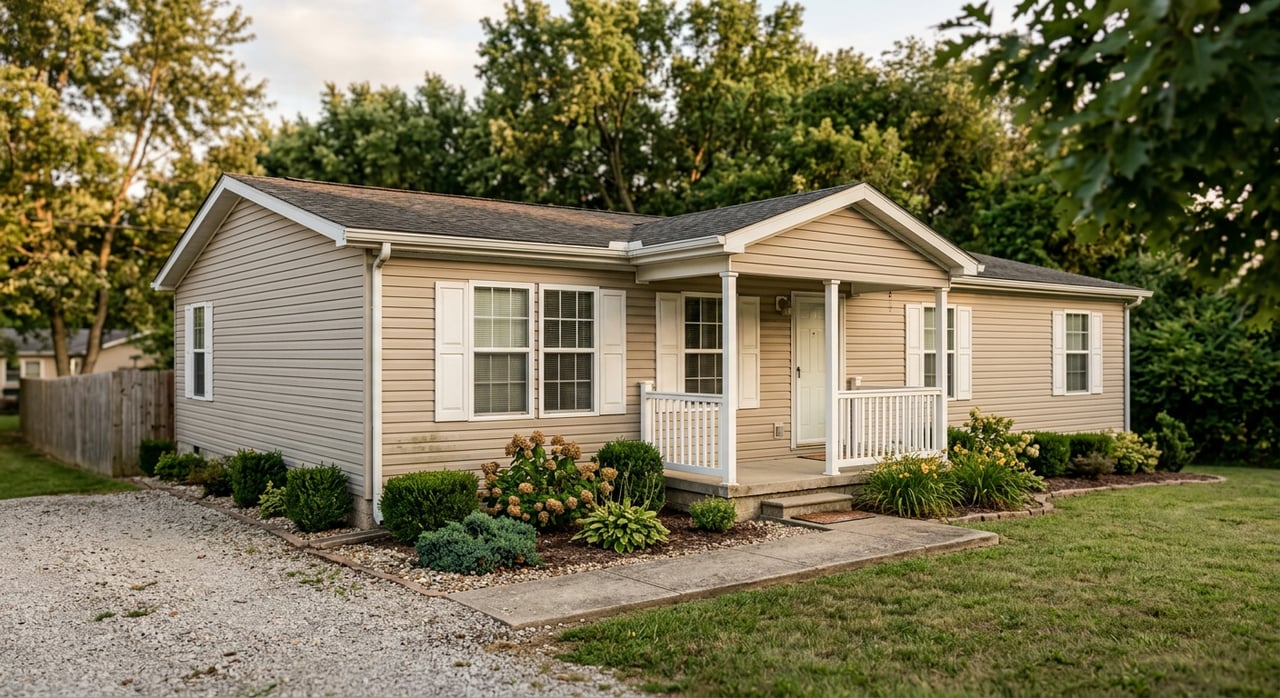
Thinking about a manufactured home in Somerton as a more affordable path to homeownership? You’re not alone. These homes can be a smart move, but they come with extra steps around financing, titles, park rules, and Philadelphia taxes. In this guide, you’ll learn how manufactured homes are classified in Pennsylvania, how financing works if you own the land or lease a lot, what city taxes to expect, and what to inspect before you commit. Let’s dive in.
Manufactured homes are built to the federal HUD Code. Units built after June 15, 1976 carry HUD certification labels and a data plate. Those labels matter because lenders will ask for them, and they help confirm the home meets HUD standards. You can read more about HUD programs and requirements in HUD’s overview of manufactured housing and FHA options (HUD manufactured housing programs).
In Pennsylvania, how the home is installed changes how it’s treated:
Somerton is a residential neighborhood within the City of Philadelphia. Most local housing is site-built single-family homes and townhomes. Manufactured homes inside city limits are less common than in nearby Bucks County parks, so you’re more likely to see homes offered by residents within manufactured-home communities just outside Somerton or on leased lots. If you plan to place a unit on private land inside the city, build in time to verify zoning and permitting with the city’s departments and to confirm any foundation or installation standards with your lender.
Financing paths split based on whether you will own the land.
If you’re buying the home with the land and the unit is permanently affixed to a qualifying foundation, you may be eligible for a traditional mortgage. Options can include FHA Title II, VA for eligible veterans, and some conventional loans. Lenders will require HUD labels or documentation showing the unit meets the HUD Code and, in many cases, an engineer’s certification that the foundation meets HUD’s Permanent Foundations Guide for Manufactured Housing (HUD foundation guide). Check lender requirements at the start to avoid delays (HUD FHA guidance).
If you don’t own the land, or you’re buying in a park where you’ll lease the lot, you’ll often use either FHA Title I (with lower loan limits) or a chattel loan that treats the home as personal property. These loans can be faster to arrange but usually come with higher interest rates and shorter terms than mortgages. You’ll also see different consumer protections than with real estate loans. Understanding these differences up front can keep your budget on track (CFPB report on manufactured-housing finance).
Chattel loans are common when the lot is leased. The CFPB’s research shows many manufactured-home buyers use higher-cost chattel loans, which can raise monthly payments and limit equity growth over time. If you qualify for a mortgage by purchasing home and land together and meeting foundation standards, you may unlock lower rates and longer terms. Ask lenders for side-by-side estimates so you can compare total costs (CFPB analysis).
Buying inside city limits means planning for Philadelphia’s local taxes.
Budget checklist for city purchases:
If the home sits in a manufactured-home community and you will lease the lot, the park’s rules and Pennsylvania law both shape your rights.
Pennsylvania’s Manufactured Home Community Rights Act (MHCRA) requires written leases in many situations, clear written disclosure of rent and charges before you sign, limited eviction grounds, and specific notice rules for rent increases and renewals. Always request the full disclosure packet, the lease you will be asked to sign, and the park rules as part of your offer. Having these in writing helps you spot fees, approval steps, and policies before you commit (MHCRA overview and text).
Lot rent varies by community, amenities, and region. In the greater Philadelphia area, lot rents are often in the mid-hundreds and up, but exact pricing is park specific. Ask for the current monthly rent, what utilities and services are included, the last three years of rent notices, and any scheduled increases. Request the park’s written transfer or approval policy and any associated fees.
If a community closes or redevelops, the MHCRA and related state procedures require certain notices and offer relocation cost limits for eligible homeowners. If you are considering a park where there are rumors of sale or redevelopment, ask directly about long-term plans and how closure would be handled under state rules (PHFA Act 156 guidance).
A strong inspection and documentation file is your best protection.
Ask the seller for clear photos of the red HUD certification labels on each section and the interior data plate. Lenders often require this documentation. If labels are missing, your lender may ask for a label-verification letter from IBTS. Confirm this early to prevent surprises during underwriting (HUD FHA guidance).
Manufactured homes have unique construction and connections. Your inspector should check the roof system, exterior siding and windows, floor and wall sag, plumbing and electrical systems, ductwork, skirting, crawlspace vapor barrier, and signs of moisture. Use an inspector who routinely evaluates manufactured homes.
If you plan to use a mortgage that treats the home as real property, most lenders will require a permanent foundation that meets HUD’s Permanent Foundations Guide for Manufactured Housing and an engineer’s certification. If the current setup does not comply, build time and budget into your plan to make upgrades before closing (HUD foundation guide).
Use this list to keep your purchase on track:
Manufactured-home deals involve extra documents, park approvals, and lender requirements. A local agent with experience in Northeast Philadelphia and Bucks County parks can help you gather the right paperwork, compare financing options, and avoid delays. If you’re curious about opportunities in Somerton or nearby communities, reach out for a calm, step-by-step plan.
Ready to move forward? Connect with Dawn Little for neighborhood insight, manufactured-home expertise, and a low-stress path to closing. Request your free home valuation or schedule a buyer consultation today.
Stay up to date on the latest real estate trends.


Experience a client-first approach built on trust, compassion, and dedication—because your goals matter.

ADDRESS 12 TERRY DR STE 204 NEWTOWN PA 18940