
May 14, 2026
Selling your Feasterville home can feel simple on paper until you have to choose a price, decide what to fix, and figure out how to get buyers moving. If you want a smooth sale, you need more than a guess and a quick cleanup. You need a plan built around current local market conditions, smart prep, and a pricing strategy buyers will actually respond to. Let’s dive in.
In Feasterville-Trevose zip code 19053, the market is moving, but buyers are still price-sensitive. March 2026 data shows 64 homes for sale, a median of 17 days on market, and homes selling for about 99% of list price. That sounds strong, but the same market snapshot also labels the area a buyer’s market, which means your price has to feel justified from day one.
At the county level, Bucks County looked a little different in March 2026. The median sold price was $510,000, with 635 active listings, 39 average days on market, and a 98.9% sold-to-original-list ratio. Since those numbers come from different data sources and methods, the safest move is to price from recent neighborhood comps instead of leaning too heavily on county averages or online estimates.
A smooth sale usually begins with a current comparative market analysis. That means looking closely at recent sold homes, your active competition, and your home’s actual condition. In a market like Feasterville, that mix matters more than broad headlines.
If your home is priced too high, buyers may scroll past it or wait for a price cut. With the average 30-year fixed rate at 6.37% as of May 7, 2026, many buyers are focused on monthly payment as much as purchase price. That makes realistic pricing especially important.
Your list price should be based on evidence, not optimism. A strong pricing strategy should weigh:
In many cases, the best result comes from launching close to the true market range instead of starting high and adjusting later. When buyers sense value early, you have a better chance of creating urgency and avoiding a stale listing.
Pricing is only half the equation. Your home also needs to look clean, cared for, and easy for buyers to picture themselves in. The good news is that smooth-sale prep does not always mean expensive renovations.
A practical seller plan often starts weeks before the target list date. Many sellers need about a month to get fully market-ready, and some begin several months ahead. If you want to avoid last-minute stress, start early.
Before listing, take care of visible maintenance issues that could make buyers wonder what else has been overlooked. Small repairs can have an outsized impact because they shape first impressions. In many homes, these items matter more than a major remodel.
Focus first on:
If your home needs work, prioritize repairs buyers can see right away. Unless nearby comps clearly support a larger renovation, visible improvements usually offer a more practical return before listing.
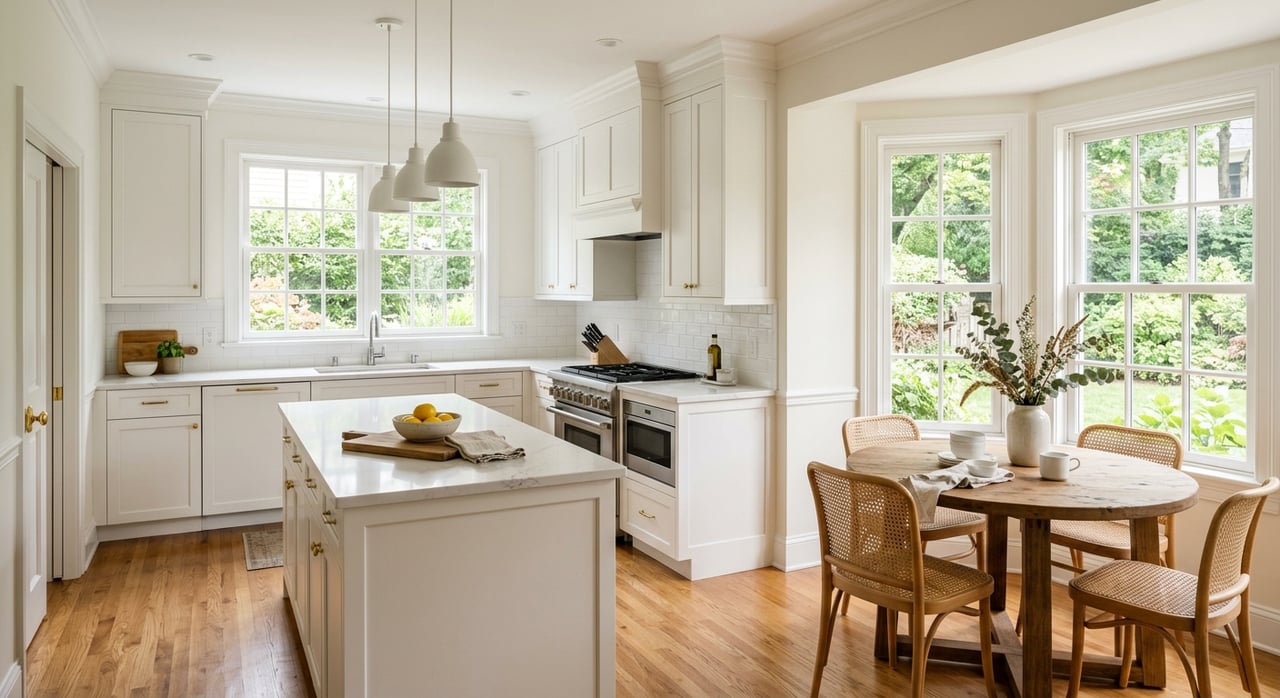
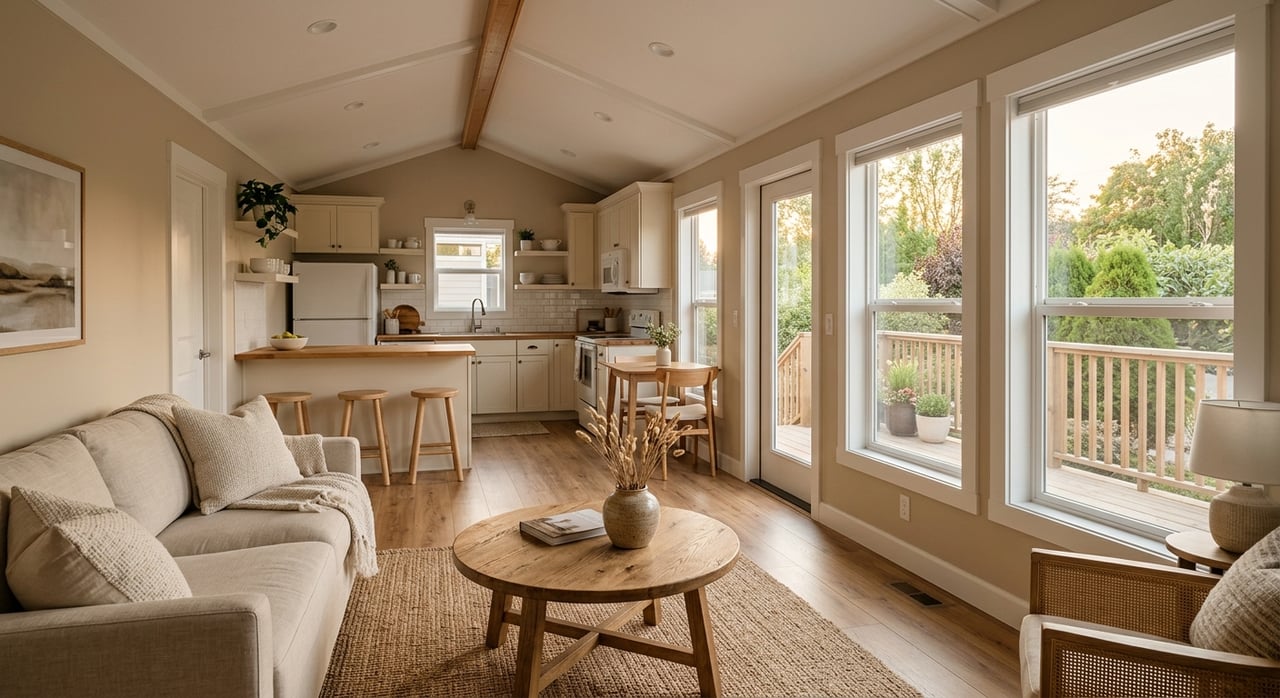
One of the easiest ways to improve showing appeal is to remove visual noise. Extra furniture, packed shelves, and personal photos can make rooms feel smaller and distract buyers from the home itself. A simpler space tends to feel larger, cleaner, and easier to imagine living in.
Try to pack away:
This step also gives you a head start on moving. That can make the entire selling process feel more manageable.
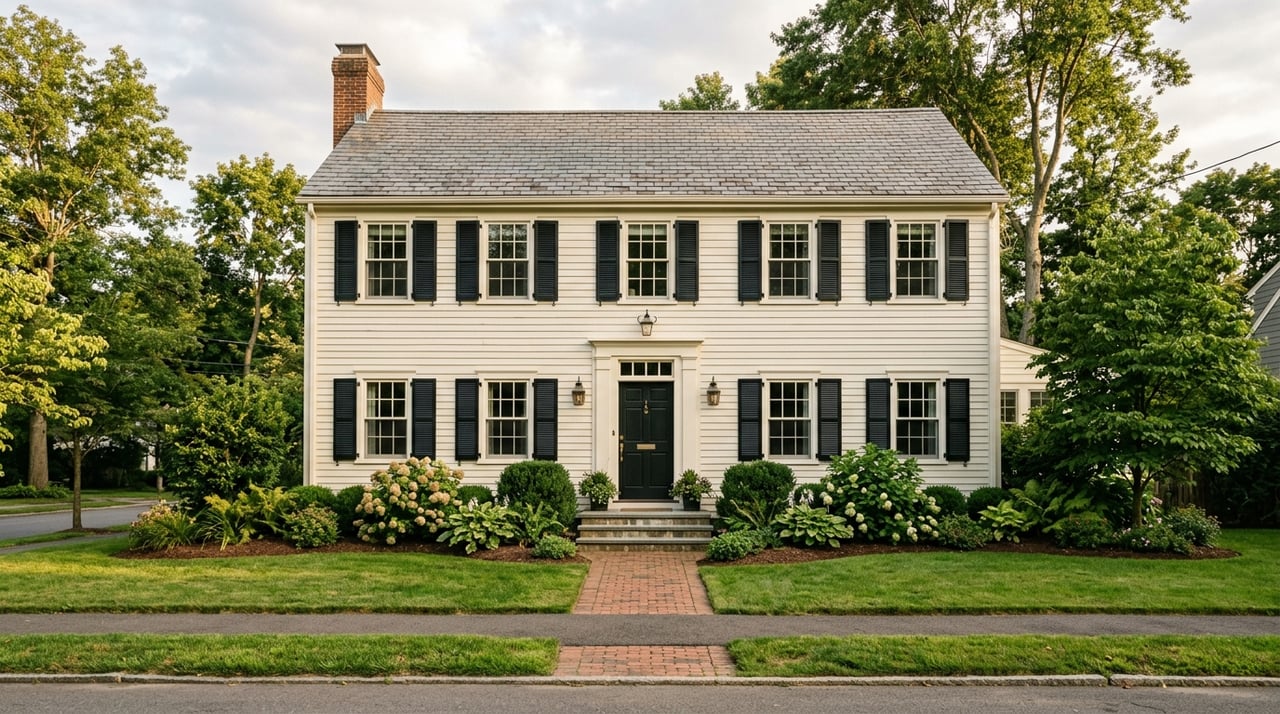
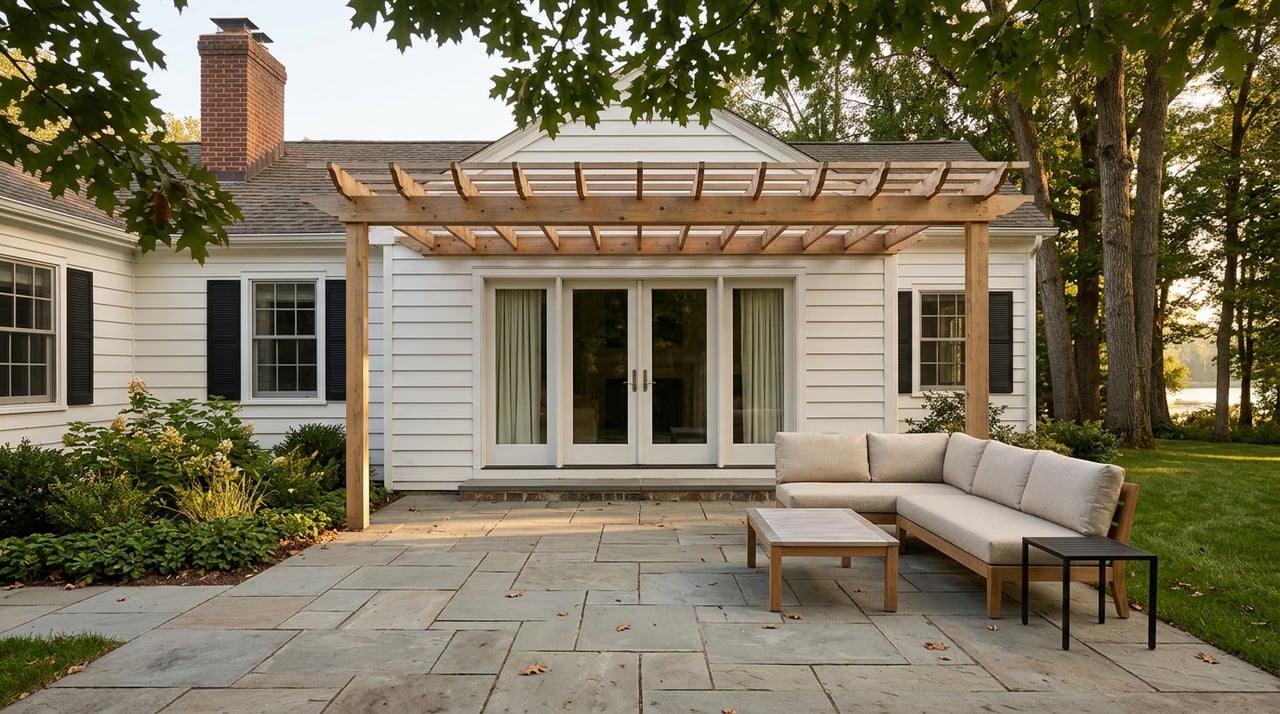
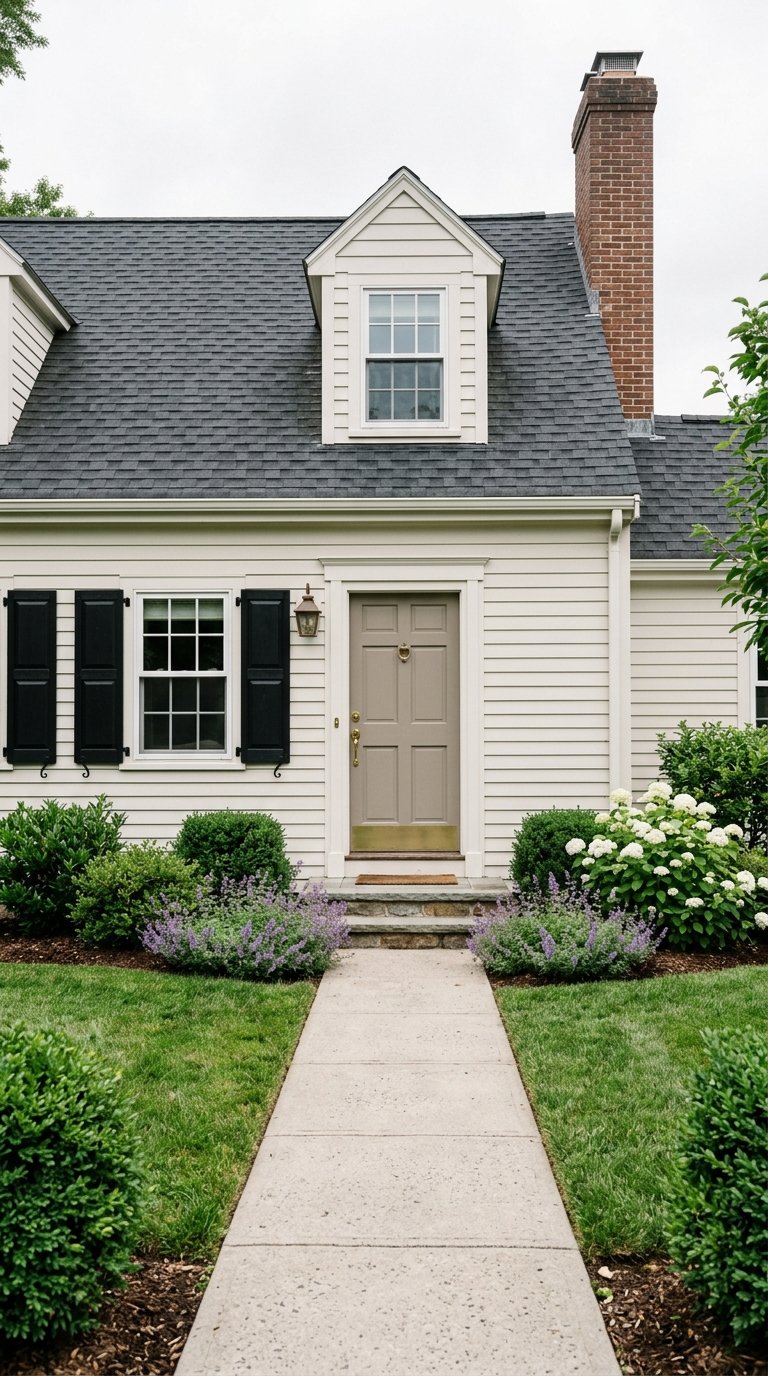
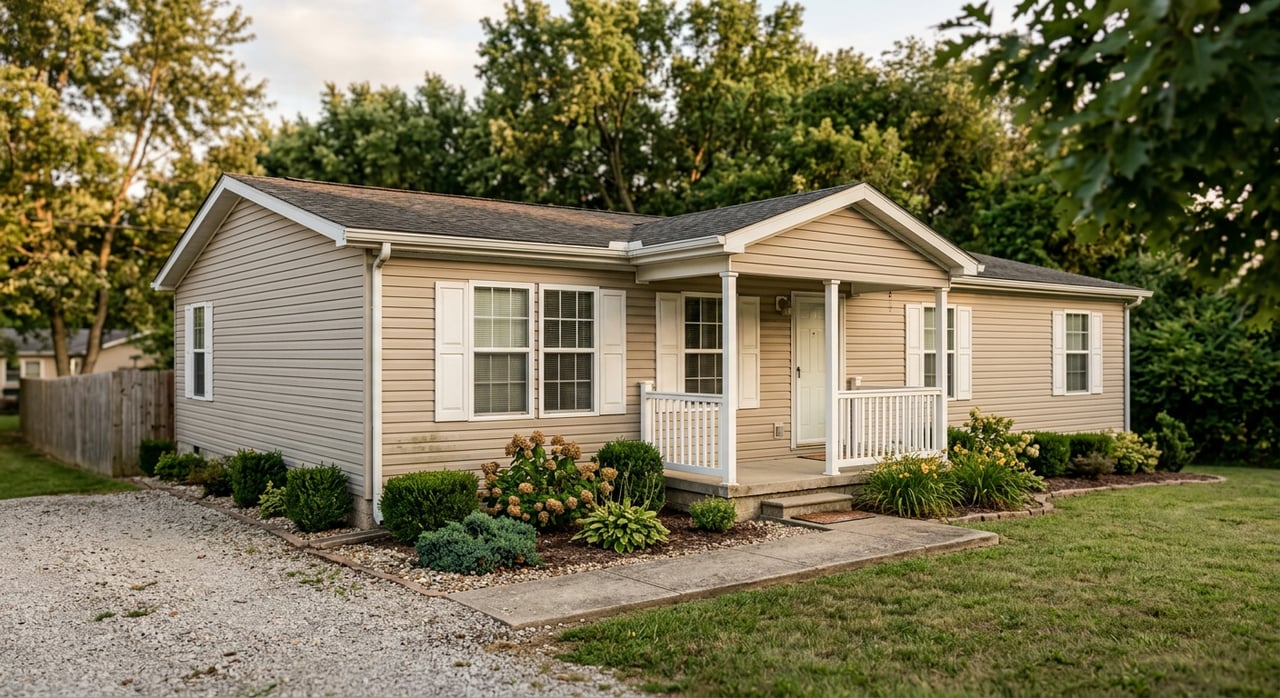
You do not need to overhaul everything to make a strong impression. Neutral paint, cleaned-up landscaping, and a fresh exterior can go a long way. These updates help buyers feel the home has been maintained.
Simple prep ideas include repainting bold walls in neutral tones, trimming overgrown shrubs, and pressure-washing decks or exterior surfaces when needed. Even small curb appeal improvements can help your listing photos stand out and make showings feel more inviting.
If your budget is limited, staging should still be part of the conversation. According to 2025 staging research, 83% of buyers’ agents said staging made it easier for buyers to visualize a property as a future home. Sellers’ agents also reported benefits, with 49% seeing reduced time on market and 29% seeing a 1% to 10% increase in value offered.
That does not mean every room needs full-service staging. It means your effort should go where buyers look first.
The most commonly staged rooms are:
These spaces often shape the emotional first impression of the home. If you can make only a few updates, start there with clean lines, lighter decor, clear walking space, and a layout that shows off function.
Most buyers begin online, so your listing has to do its early work on a screen. High-quality photography is one of the most important parts of a modern marketing plan. If photos are dark, cluttered, or poorly composed, buyers may never book a showing.
In practice, that means your home should be photo-ready before it goes live. Clean surfaces, open blinds, balanced lighting, and well-staged main rooms all help your photos tell the right story. Strong photos also support a cleaner presentation across the MLS and major real estate portals.
One of the best ways to reduce stress is to work backward from when you want to be on the market. If you hope to list in a certain month, your prep should begin well before that. Waiting until the last minute often leads to rushed decisions and avoidable delays.
A simple timeline might look like this:
| Time Before Listing | Priority |
|---|---|
| 1 to 3 months | Review pricing strategy, discuss goals, plan repairs and prep |
| 3 to 6 weeks | Declutter, depersonalize, paint, and complete visible repairs |
| 1 to 2 weeks | Deep clean, improve curb appeal, stage main rooms |
| Final days | Professional photography, final touch-ups, listing launch |
National data may point to a strong listing week in spring, but local timing can vary. In Feasterville, your best move is often to list when your home is truly ready and priced correctly, not just when the calendar says demand should peak.
A smooth sale also depends on handling the paperwork and numbers early. In Pennsylvania, sellers are required to disclose all known material defects that are not readily observable. This disclosure is informational, and it does not replace the buyer’s inspections.
It is smart to think about net proceeds before choosing your final asking price. Pennsylvania also imposes a 1% realty transfer tax, and additional local transfer tax is often collected as well. Those costs affect what you take home, so they should be part of the pricing conversation from the beginning.
In today’s market, the smoothest sales tend to follow the same pattern. The home is priced from recent local evidence, prepared for photos and showings, and launched with a clean digital presentation. Seller expectations stay grounded in current buyer behavior, not last year’s market.
That kind of planning can help you avoid the most common mistakes, like overpricing, skipping visible repairs, or rushing to market before the home is ready. If your goal is a lower-stress sale with fewer surprises, preparation and pricing should work together from the start.
If you’re thinking about selling in Feasterville, a calm, local strategy can make all the difference. Dawn Little offers thoughtful guidance, clear communication, and a free home valuation to help you price with confidence and prepare your home to sell smoothly.
Stay up to date on the latest real estate trends.
Experience a client-first approach built on trust, compassion, and dedication—because your goals matter.

ADDRESS 12 TERRY DR STE 204 NEWTOWN PA 18940