
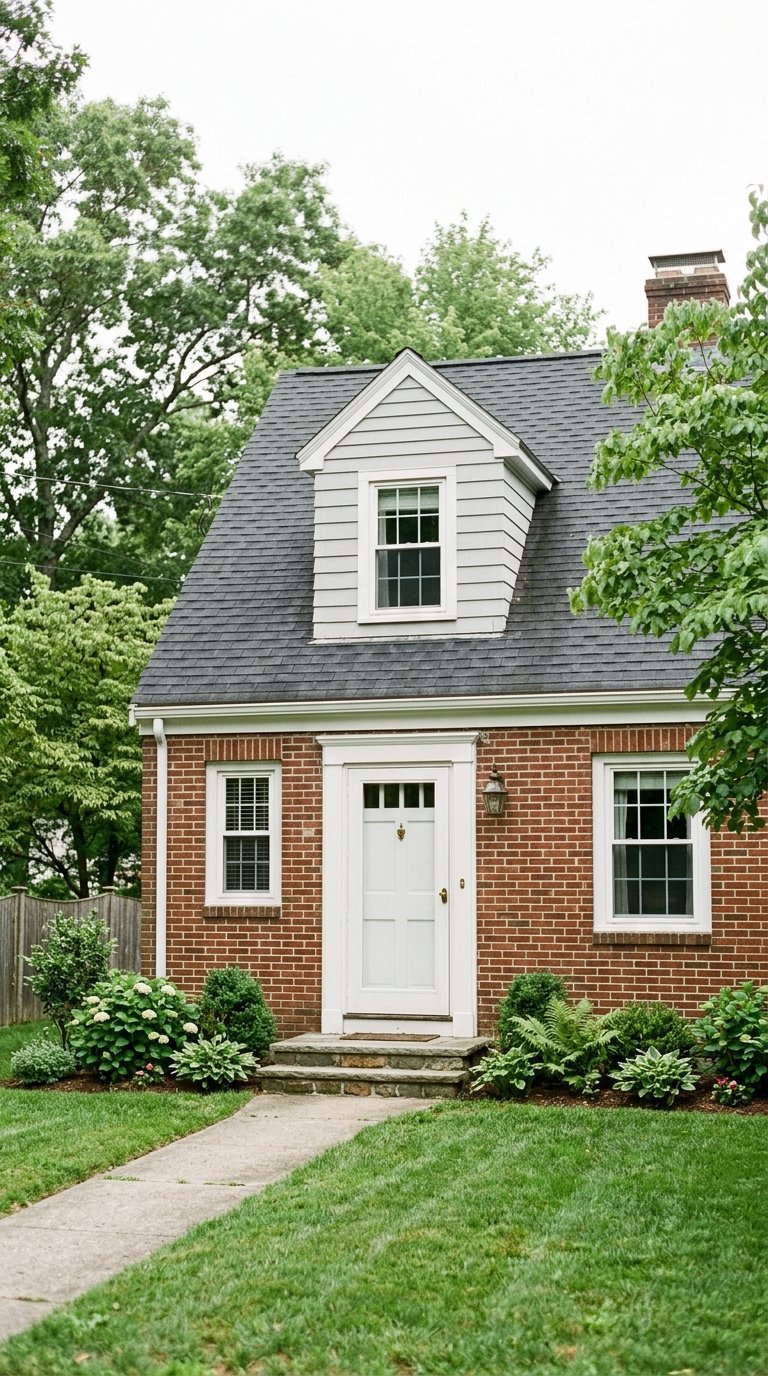
May 21, 2026
If you are shopping for a home in Levittown, one detail can tell you a lot before you ever step inside: the section name. In this community, sections are not just map labels. They often give you clues about the original home style, lot pattern, and even the kind of updates you may find today. If you want to buy with more confidence, it helps to understand how Levittown was built and how those early patterns still shape the market now. Let’s dive in.
Levittown is best understood as a planned postwar community rather than a single municipality. It is an unincorporated census-designated place in Bucks County that stretches across Bristol, Falls, Middletown, and Tullytown. That means two homes with a Levittown address may sit in different municipalities, with different local services and tax considerations.
The original development included 40 named sections. Those section names still matter because they often point to the original neighborhood layout and the home model that was built there. In many cases, a listing’s section name gives you an early hint about size, price range, and how much expansion potential a home may have.
Another useful detail is the naming pattern. In the original plan, the section name and the street names inside it often shared the same first letter. Once you know that system, listings become easier to read and compare.
Levittown was designed around curving roads, neighborhood schools, recreation areas, and shopping at the edge of the development instead of a traditional downtown. The layout was intentionally car-oriented from the start. That planning style still affects how different sections feel as you drive through them today.
Even though many homes have been updated, expanded, or reworked over time, the original structure of the community is still visible. For buyers, that means the section remains important, but it should never be the only thing you evaluate. The current condition of the home and the municipality it sits in matter just as much.
Pennsylvania Levittown was built around six main home models. These homes started with practical, repeatable floor plans, but many owners have changed them over the years.
The Levittowner was one of the smallest original models at about 1,000 square feet. Historical sources describe it as the workhorse ranch-style model. If you are looking for a lower entry point, this is often one of the first styles to compare.
The Rancher was also about 1,000 square feet originally. Like the Levittowner, it can be a smart place to start if budget is a major factor. These homes may feel compact in original form, but many have been expanded.
The Jubilee was about 1,200 square feet in its original version. It often offers a middle ground for buyers who want more room than the smallest models without jumping to the largest homes in Levittown.
The Pennsylvanian was about 1,500 square feet originally. For buyers who want more living space from the start, this model is often worth a close look. It can offer a stronger original footprint than the smaller Levittown models.
The Colonial was also about 1,500 square feet. If you want more room and a layout that started larger than a Levittowner or Rancher, Colonial sections may fit your search better.
The Country Clubber was the top-tier original model at about 2,100 square feet. Historical accounts describe it as the deluxe option, and it was concentrated in parts of Middletown Township. Some corner lots were reported at roughly 110 by 120 feet, which shows how much more generous these settings could be compared with standard sections.
Most standard Levittown lots were about 60 by 100 feet. That original lot pattern is a big reason so many homes were able to change over time. Even when the house itself started small, the lot often allowed room for additions or reconfigured living space.
For a buyer, this is one of the most important things to understand. A compact original footprint does not always mean a compact home today. In Levittown, the current layout may be very different from the original model listed in older records.
Levittown homes were standardized, but they were never frozen in place. A retrofit study of 27 homes found that 81% had some type of addition. The same study documented common changes like enclosed carports, new siding, replacement windows, and even full second-floor additions.
That means you should treat the original model as your starting point, not your final answer. A Levittowner with a thoughtful addition may compete very differently than an untouched Levittowner nearby. In practical terms, buyers need to compare what the home is now, not just what it was when it was built.
In the original community layout, one house type usually appeared within a given neighborhood section. Because of that, section names often still line up with a certain original size range and lot pattern. That can help you narrow your search faster.
Here is a simple way to think about it:
This is where local guidance helps. A section name can point you in the right direction, but the real comparison happens when you match the section, the model, the updates, and the exact location.
One of the clearest section-level exceptions in Levittown is The Gates, which includes Forsythia Gate, Snowball Gate, and Red Rose Gate. According to an official Middletown Township plan, sidewalks were not created inside The Gates because these neighborhoods were intended for management and executive workers. The same plan notes that the broader Levittown road network has no four-way intersections except on pre-existing major roads.
For buyers, that means The Gates can feel more private and less pedestrian-oriented than other parts of Levittown. Historical writing also places the Country Clubber section in Snowball Gate, where the lots and landscaping were described as more elaborate than in standard sections. If setting and space are high on your list, this is one area to study closely.
Cobalt Ridge is another good reminder that section names can reveal useful details. Historical records note 55 Jubilee Junior Homes there, which were essentially Jubilees without the finished second floor. That kind of variation shows why it is smart to look beyond broad labels and ask specific questions about each section.
In Levittown, two homes with similar model names may still offer different living experiences depending on the section. That is part of what makes this market interesting, but also why buyers benefit from a careful, neighborhood-by-neighborhood approach.
Because Levittown spans multiple municipalities, you should always confirm the exact township before making side-by-side comparisons. This is especially important when you are weighing taxes or local services. A Levittown mailing address alone does not tell the whole story.
It is also wise to verify the school district tied to the property before you move forward. Since Levittown crosses municipal lines, that detail should be confirmed early in your search rather than assumed from the address.
Finally, pay close attention to the home’s addition history and current floor plan. In a community where so many homes have been expanded, the original model gives context, but the current use of space is what will shape your day-to-day life.
If you are just starting your search, begin with your priorities instead of chasing every listing. Ask yourself whether your biggest goal is affordability, more square footage, larger yard space, or a more distinct setting. Once you know that, the section system becomes much easier to use.
A practical approach often looks like this:
That process can save you time and help you avoid apples-to-oranges comparisons. In Levittown, the most informed buyers are usually the ones who understand both the original plan and the updates that came later.
If you are thinking about buying in Levittown, having someone who knows the neighborhood patterns can make the process feel much clearer. Dawn Little offers calm, local guidance to help you compare sections, understand home styles, and move forward with confidence.
Stay up to date on the latest real estate trends.


Experience a client-first approach built on trust, compassion, and dedication—because your goals matter.

ADDRESS 12 TERRY DR STE 204 NEWTOWN PA 18940