

April 23, 2026
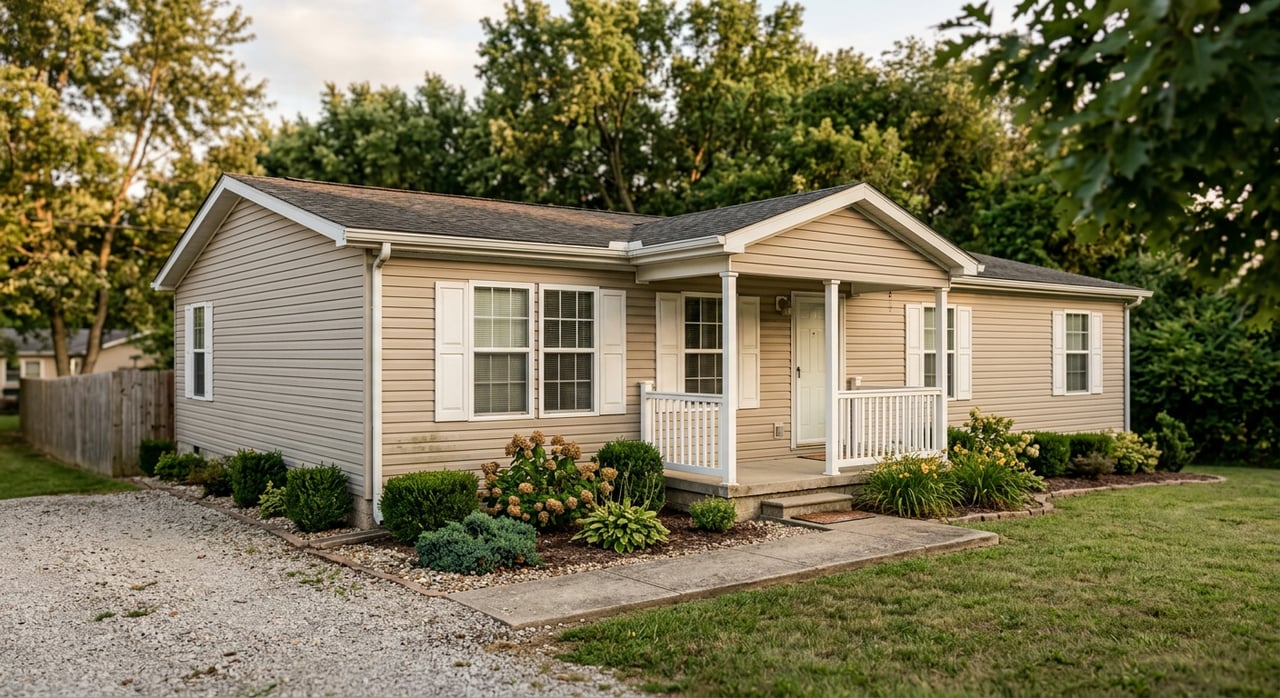
Selling a manufactured home in Bensalem can feel more complicated than selling a typical house, especially when titles, park rules, and buyer approval all come into play. If you are trying to sell with as little stress as possible, the good news is that the process becomes much clearer once you know which steps matter most. This guide walks you through what to check first, which documents to gather, how pricing works, and where local rules can affect your timeline. Let’s dive in.
The first step is figuring out whether your manufactured home is being sold as personal property or real property. In Pennsylvania, that difference affects the paperwork, the transfer process, and sometimes the financing options available to your buyer.
If your home sits on a leased lot in a manufactured-home community, the sale often centers on the home itself, not the land underneath it. If you own both the home and the land, the transaction may look more like a traditional real estate closing, but you still need to confirm the title and affixture details carefully. PennDOT guidance on manufactured-home transfers and Fannie Mae’s legal considerations for manufactured housing both make clear that state-specific title rules matter.
This is one reason manufactured-home sales in Bensalem benefit from a more specialized approach. Before you list, you want to know exactly what you own, how the home is titled, and whether the land is part of the sale.
If your home is in a manufactured-home community, buyer approval is often one of the biggest transaction steps. Under Pennsylvania’s Manufactured Home Community Rights Act, a park owner cannot prevent you from selling your home, but the park may reserve the right to approve the buyer as a resident.
That approval cannot be unreasonably withheld. Still, it is important to prepare buyers early for the fact that they may need to complete an application and sign a lease with the community before they have the right to live there.
This is where delays often happen. A buyer may be ready, willing, and qualified to buy the home, but if they do not complete the community application quickly, your closing timeline can stretch.
Before you offer the home for sale, you must obtain the current community disclosure document from the operator and provide it to the prospective buyer. The disclosure includes rent, fees, service charges, utility charges, and the community rules.
It also must include notice that the buyer needs an approved application and a fully executed lease before moving in. After receiving the disclosure materials, the buyer has at least 5 calendar days to cancel in writing. That makes the disclosure packet a key part of your sale, not a last-minute form.
The same Pennsylvania law says the park cannot charge a sale fee or commission unless there is a separate written fee agreement. It also says entrance and exit fees may not be charged, and any installation or removal charge must not exceed actual cost.
For you as a seller, that helps separate valid transaction costs from charges that may not apply. If a sale involves moving the home, those details become especially important.
One of the best ways to reduce stress is to build your document file before your home hits the market. In Pennsylvania, PennDOT recommends completing title transfers through an authorized agent, and the seller’s signature on the Pennsylvania title generally must be notarized or verified.
PennDOT also recommends meeting with the buyer at a notary, tag service, or motor vehicle dealer to complete the paperwork correctly. That is a simple step, but it can prevent major errors.
Here are the documents that often matter most:
If your home is anchored and has been used as a residence in Pennsylvania, PennDOT requires a tax status certification from the county Tax Claim Bureau showing county, municipal, and school-district real estate taxes due on the home. That certification must be provided to both the buyer and PennDOT. If the home does not meet those conditions, Form MV-16T may apply instead.
If taxes are delinquent, they must be paid before the transfer can be completed. That is why checking tax status early can save you time later.
Bensalem sellers also need to think beyond the listing agreement. Bucks County inspects and registers manufactured-home communities annually, and Bensalem Township’s Building & Planning Department handles permits and inspections related to mobile-home or manufactured-home setups.
This may matter most if the home will be moved, reset, or reinstalled as part of the sale. Even when the home is staying in place, local oversight helps explain why community management may be detail-oriented about visitor access, occupancy, and paperwork.
In practical terms, that means your sale may involve three layers of coordination:
Pricing a manufactured home is not just about square footage, bedroom count, or what a nearby detached house sold for. Value depends heavily on condition, whether land is included, title status, and how the buyer is likely to finance the purchase.
According to Fannie Mae’s manufactured-housing appraisal guidance, appraisers must use Form 1004C for manufactured homes, and manufactured-home-specific comparable sales matter more than they do in a standard site-built sale. That means the best pricing strategy usually starts with the right comps, not broad neighborhood averages.
Financing has a direct impact on your buyer pool. Freddie Mac reports that a new manufactured home averages about $84 per square foot, compared with $169 per square foot for a site-built home, excluding land.
The Consumer Financial Protection Bureau information cited by Freddie Mac also notes that financing can be more costly when the buyer does not own the land underneath the home. Chattel loans may come with higher interest rates and higher denial rates than manufactured-home mortgages and site-built mortgages.
For you, this means pricing needs to reflect:
Showings for a manufactured home can be simple, but they still need to follow the community’s written rules and access expectations. Pennsylvania law requires community rules to be written, posted, and delivered to residents, so the safest approach is to coordinate showings with the park office and your current lease and rules packet.
That is especially important for parking, entry procedures, and buyer visits. It also helps protect resident privacy and keeps the process running smoothly.
If you want fewer surprises, ask these questions before your first showing:
When you break the sale into clear stages, the process feels much more manageable. Here is a practical roadmap for selling a manufactured home in Bensalem.
Find out whether the home is personal property or real property. Confirm whether the land is included and whether any title surrender or affixture issues need to be reviewed.
If the home is in a community, request the current disclosure packet, lease details, and rules. Ask how buyer approval works and what the expected timeline looks like.
Pull together your title, ID, lien-release documents, lease paperwork, community disclosures, and any tax status certification or PennDOT forms that apply.
Use manufactured-home-specific comparable sales and factor in lot rent, condition, financing limits, and title status. Avoid pricing it like a detached site-built house.
Make the home easy to access, easy to understand, and easy to evaluate. Buyers should know the monthly lot costs, community rules, and approval steps early.
Once you have an interested buyer, move quickly on park approval, disclosure acknowledgment, and PennDOT transfer steps. Delays usually happen when one of those pieces is left until the end.
Manufactured-home sales often go more smoothly when you have an experienced Realtor, a PennDOT-authorized title agent or title company, and legal guidance if title or land questions are unclear.
Manufactured-home transactions can be more technical than many sellers expect. Fannie Mae states that manufactured-home titling is complex and that ownership details must match exactly when the home and land are both part of the transaction.
That is why specialized guidance matters. The right support can help you avoid pricing mistakes, paperwork delays, and confusion about park rules.
If you are selling a manufactured home in Bensalem and want a calm, clear plan from the start, working with someone who understands these transactions can make all the difference. If you are ready for local guidance and a low-stress selling strategy, connect with Dawn Little to get started.
Stay up to date on the latest real estate trends.


Experience a client-first approach built on trust, compassion, and dedication—because your goals matter.

ADDRESS 12 TERRY DR STE 204 NEWTOWN PA 18940